 Kynvo
Kynvo
Welcome to Kynvo: Your Guide to Natural Wellness
An educational resource exploring natural approaches to weight equilibrium and vital longevity. This platform presents scientifically-grounded information on metabolism, nutrition, physical activity, and holistic health practices.
Educational content only. No promises of outcomes.

Understanding Metabolic Balance
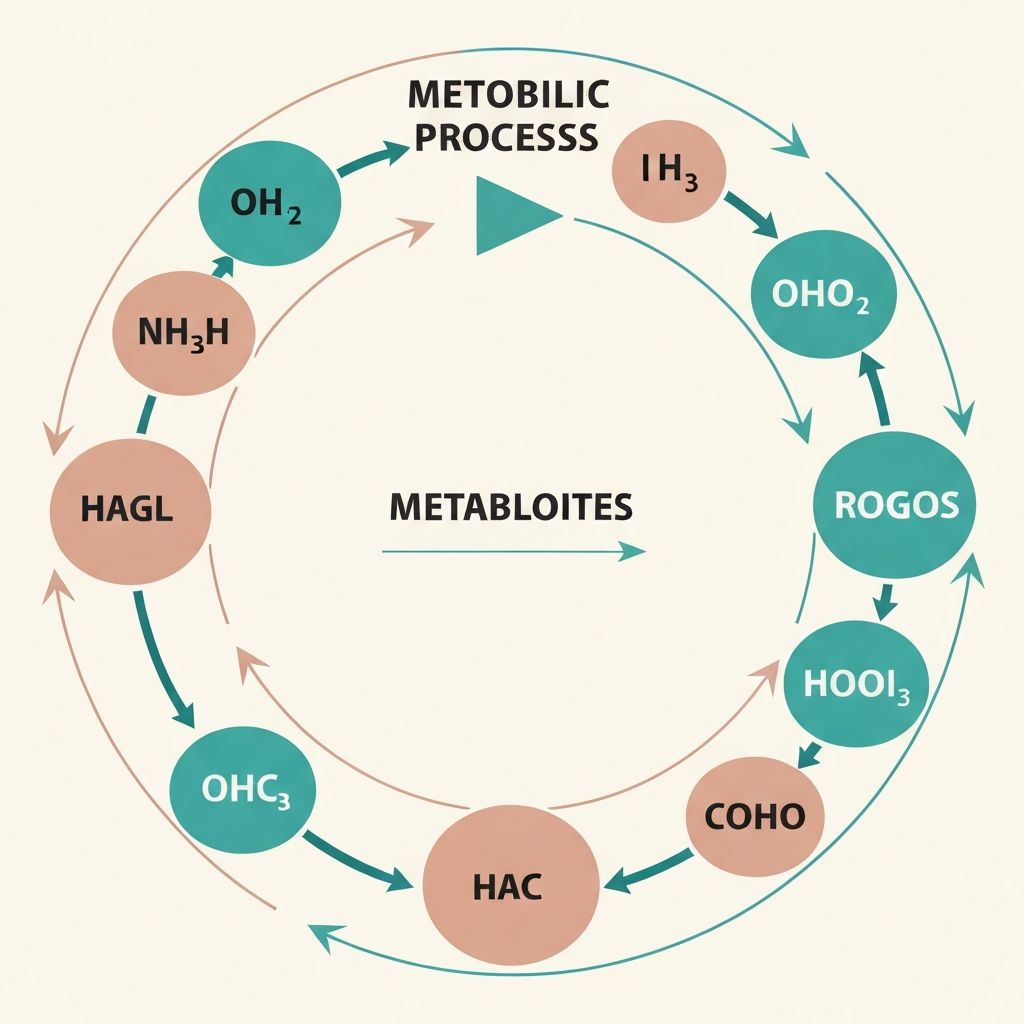
How Your Metabolism Works
Metabolism refers to all the chemical processes your body uses to maintain life. It involves the conversion of nutrients into energy, the synthesis of new tissues, and the elimination of waste products. Understanding these fundamental processes provides insight into how the body regulates itself.
Your basal metabolic rate—the amount of energy your body uses at rest—is influenced by multiple factors including age, body composition, genetics, and activity level. Various hormones regulate these processes, creating a complex system of checks and balances that the body naturally maintains.
Key Principles
- Energy balance: intake and expenditure of calories
- Macronutrient processing: proteins, carbohydrates, and fats
- Hormonal regulation: insulin, cortisol, thyroid hormones
- Cellular respiration: converting nutrients into ATP energy
- Metabolic adaptation: body's response to dietary changes
The Role of Balanced Nutrition
Nutritional Foundation for Wellness
Balanced nutrition forms the foundation of overall health and vitality. A well-rounded diet provides the nutrients necessary for optimal body function, including macronutrients (proteins, carbohydrates, fats) and micronutrients (vitamins and minerals).
Different food groups offer unique nutritional profiles. Whole grains provide sustained energy and fiber, vegetables and fruits offer vitamins and phytonutrients, proteins support tissue maintenance, and healthy fats are essential for hormone production and nutrient absorption.
Nutritional Guidelines
- Nutrient density: choosing foods rich in vitamins and minerals
- Dietary diversity: consuming variety from different food groups
- Portion awareness: understanding appropriate serving sizes
- Whole foods preference: minimizing processed products
- Hydration: adequate water intake throughout the day
- Mindful eating: paying attention to hunger and satiety cues

Physical Activity for Vitality
Movement and Exercise
Physical activity encompasses all movement that increases energy expenditure, from structured exercise to everyday activities. Regular movement provides numerous benefits for physical and mental well-being, supporting cardiovascular health, muscle function, bone density, and psychological resilience.
Different types of physical activity serve different purposes: cardiovascular exercise improves heart and lung function, resistance training builds muscle and bone strength, flexibility work maintains range of motion, and everyday movement keeps the body consistently active.
Types of Physical Activity
- Cardiovascular exercise: walking, cycling, swimming, running
- Resistance training: building and maintaining muscle mass
- Flexibility training: stretching, yoga, mobility work
- Functional movement: daily activities and recreational pursuits
- Mind-body practices: tai chi, pilates, and other integrated approaches
The body responds to movement through adaptation, becoming more efficient at the activities practiced regularly. Consistency and progressive challenge are key principles in maintaining physical vitality.
Historical Perspectives on Wellness
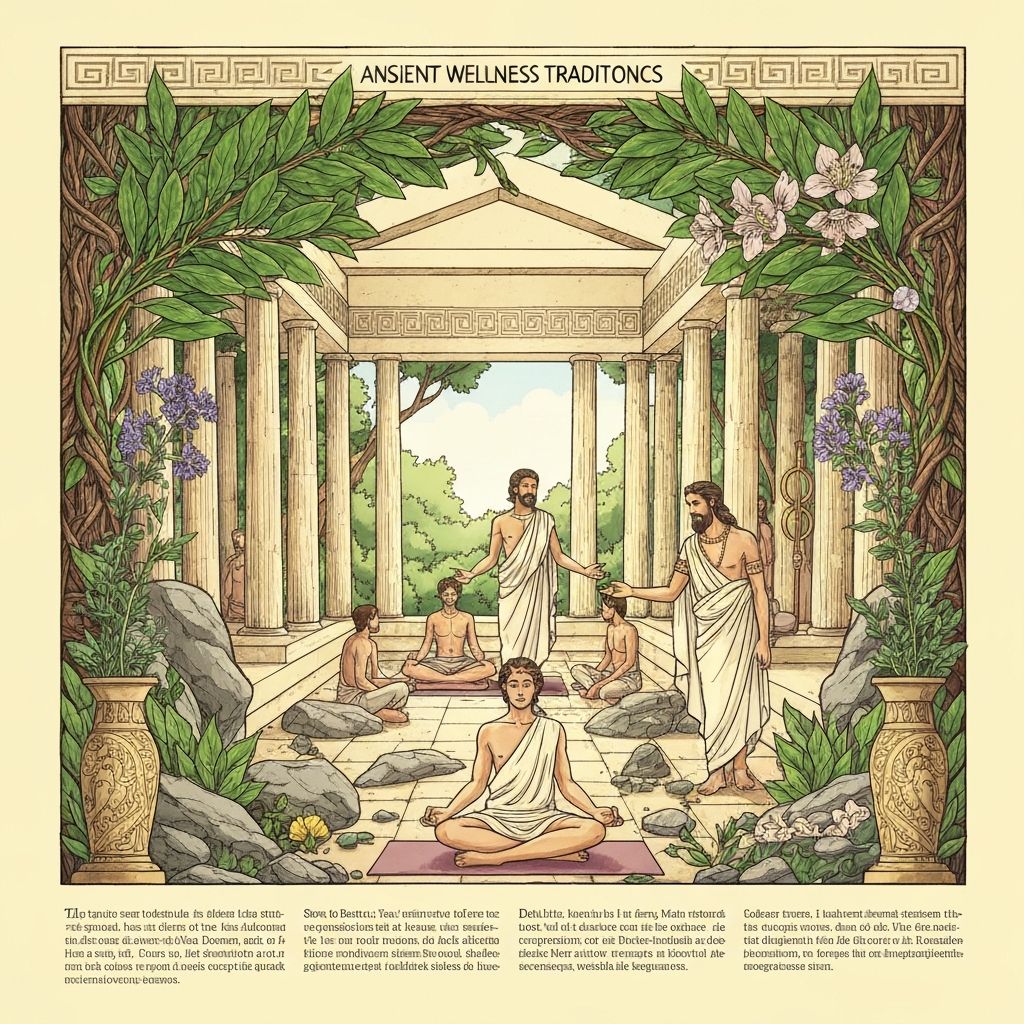
Wellness Through the Ages
Across different cultures and time periods, humans have developed sophisticated approaches to maintaining health and longevity. Traditional medicine systems, developed over centuries, contain valuable knowledge about natural substances and lifestyle practices that support well-being.
Many contemporary health principles align with practices established in ancient systems such as Ayurveda, Traditional Chinese Medicine, and Mediterranean approaches. These traditions emphasize balance, moderation, and harmony between the individual and their environment.
Traditional Wellness Approaches
- Seasonal eating and living: aligning with natural cycles
- Herbal and botanical knowledge: plant-based wellness practices
- Movement practices: yoga, tai chi, and other disciplines
- Community and social connection: social well-being foundations
- Mind-spirit practices: meditation, breathing, and mental cultivation
Natural Ingredients: Properties and Uses
Green Tea
Contains catechins and L-theanine. Traditionally used in Asian cultures for centuries. Associated with antioxidant properties and general wellness support in cultural practices.
Turmeric
Contains curcumin compound. Used extensively in traditional cuisines and wellness practices. Has been studied for its general properties in promoting health and well-being.
Ginger Root
Common culinary spice with historical wellness significance. Used in traditional beverages and food preparation. Associated with supporting digestive comfort and overall vitality.
Cinnamon
Aromatic spice with long historical use. Traditional applications in various cultures for wellness purposes. Often incorporated into daily dietary practices and beverages.
Honey
Natural sweetener with historical significance in wellness traditions. Contains various compounds and has been valued across cultures for nutritional support.
Leafy Greens
Rich in vitamins and minerals. Essential components of balanced nutrition. Support overall health through nutrient density and phytonutrient content.
Stress Management Techniques
Managing Modern Stress
Stress management is an essential component of holistic health. Various evidence-based techniques can support the body's natural stress response system and promote mental clarity and emotional balance.
Chronic stress can affect metabolism, sleep quality, and overall health outcomes. Learning and practicing stress-reduction techniques supports both mental well-being and physical health.
Evidence-Based Techniques
- Mindfulness meditation: cultivating present-moment awareness
- Breathing exercises: diaphragmatic and rhythmic breathing practices
- Progressive muscle relaxation: systematic tension and release
- Time in nature: environmental exposure and outdoor activity
- Social connection: meaningful relationships and community
- Creative expression: art, music, movement, and journaling

The Importance of Quality Sleep
Sleep and Vital Longevity
Sleep is a fundamental biological process essential for physical recovery, cognitive function, and emotional well-being. During sleep, the body repairs tissues, consolidates memory, and regulates numerous hormones that influence metabolism and overall health.
Sleep architecture consists of multiple cycles, each containing different stages that serve distinct restorative functions. Consistent, quality sleep is recognized as a key pillar of health and longevity across all scientific and traditional wellness frameworks.
Sleep Hygiene Principles
- Consistent schedule: maintaining regular sleep and wake times
- Sleep environment: cool, dark, and quiet sleeping space
- Pre-sleep routine: establishing calming activities before bed
- Light exposure: managing daylight and evening light exposure
- Physical activity: regular exercise supporting sleep quality
- Dietary timing: avoiding heavy meals and stimulants before sleep
- Technology boundaries: limiting screen exposure in evening hours
The restorative power of sleep extends beyond physical recovery. Quality sleep supports emotional resilience, cognitive performance, and the body's natural regulatory systems.
Environmental Factors and Well-being

Your Environment's Impact on Health
Environmental factors profoundly influence health and well-being. Clean air quality, natural light exposure, access to green spaces, and environmental toxin levels all contribute to overall health outcomes.
Exposure to nature has been shown to reduce stress, improve mood, and support physical health. Natural light regulates circadian rhythms, affecting sleep quality and metabolic function. A supportive physical environment enhances the ability to maintain healthy practices.
Environmental Wellness Factors
- Air quality: indoor and outdoor air composition
- Natural light exposure: circadian rhythm support
- Green space access: nature interaction and mental health
- Noise levels: acoustic environment quality
- Water quality: hydration and purity considerations
- Temperature and comfort: optimal living conditions
- Chemical exposures: minimizing toxin contact
Holistic Health: An Integrated View
The Interconnected Nature of Wellness
True health and longevity emerge from the integration of multiple factors: proper nutrition, regular movement, stress management, quality sleep, environmental support, and mental well-being. These elements work synergistically, each supporting and enhancing the others.
A holistic approach recognizes that the body is not a collection of separate systems but an integrated whole. Improvements in one area—such as sleep quality—naturally support other areas like stress resilience and metabolic function.
Core Principles of Holistic Health
- Balance: equilibrium between different health dimensions
- Prevention: maintaining health rather than treating disease
- Individualization: recognizing unique needs and responses
- Sustainability: building practices you can maintain long-term
- Integration: combining multiple supportive approaches
- Natural alignment: working with the body's innate systems
The journey toward vital longevity is not about perfection but about making consistent, informed choices that support your overall well-being. Each positive step reinforces the others, creating a foundation for lasting health.
Sustaining Energy Levels Naturally

Natural Energy Production
Sustained energy throughout the day depends on multiple factors working in concert: proper nutrition, hydration, regular movement, and quality rest. Understanding the body's natural energy cycles allows you to align your activities and nutrition accordingly.
Energy production at the cellular level requires adequate micronutrients and proper macronutrient balance. Consistent meal timing and appropriate portion sizes support stable blood sugar and sustained energy availability.
Energy-Supporting Practices
- Balanced meals: combining protein, healthy fats, and complex carbohydrates
- Meal timing: eating regular meals to maintain stable energy
- Hydration: adequate water intake supporting cellular function
- Movement breaks: light activity boosting circulation and alertness
- Sleep optimization: rest supporting energy restoration
- Stress management: reducing energy-depleting stress hormones
- Nutrient density: choosing foods rich in vitamins and minerals
Understanding Energy Cycles
Your body has natural circadian rhythms that influence energy levels throughout the day. Cortisol levels naturally rise in the morning, supporting wakefulness. Energy availability varies based on meal timing, activity level, and sleep quality.
Aligning your daily schedule with these natural rhythms—eating when hungry, moving when energized, and resting when tired—supports sustainable energy rather than relying on stimulants or crash-and-recovery cycles.

Movement as Energy Medicine
Regular physical activity paradoxically increases available energy despite expending calories. Exercise improves mitochondrial function, enhances oxygen utilization, and supports the hormonal balance that sustains vitality.
Limitations and Context
This website provides educational information only and is not a substitute for professional medical advice, diagnosis, or treatment. All content presented here is for informational purposes to help you understand wellness principles and natural approaches to health.
The information contained on this site does not constitute personalized health recommendations or medical guidance. Different individuals may respond differently to various approaches based on their unique circumstances, genetics, health status, and other factors.
This resource does not offer diagnoses, prescribe treatments, or promise specific health outcomes. For any health concerns, questions about medications, or conditions requiring medical attention, consult qualified healthcare professionals. The diversity of natural wellness approaches means there is no single 'right' way—what works best varies from person to person.